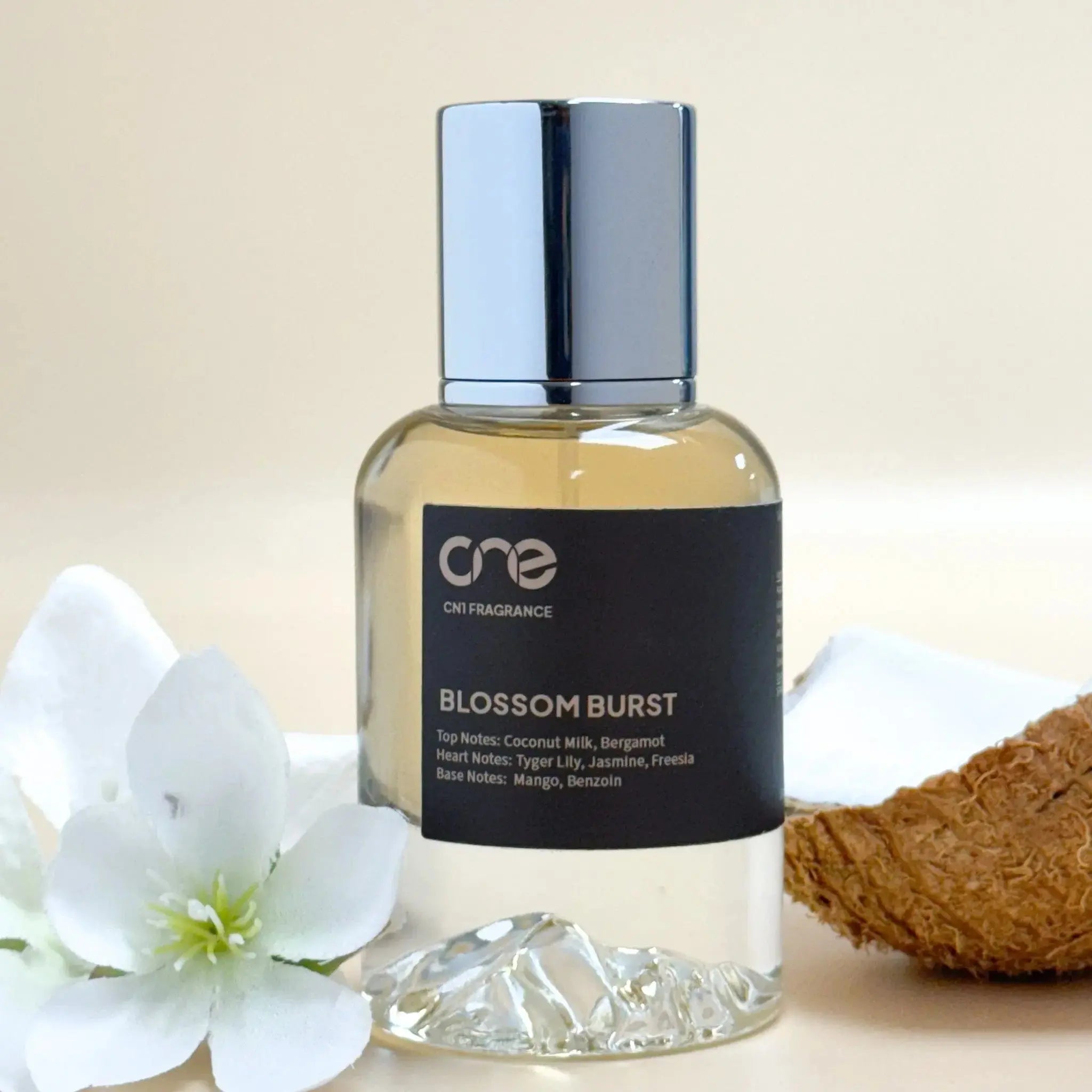
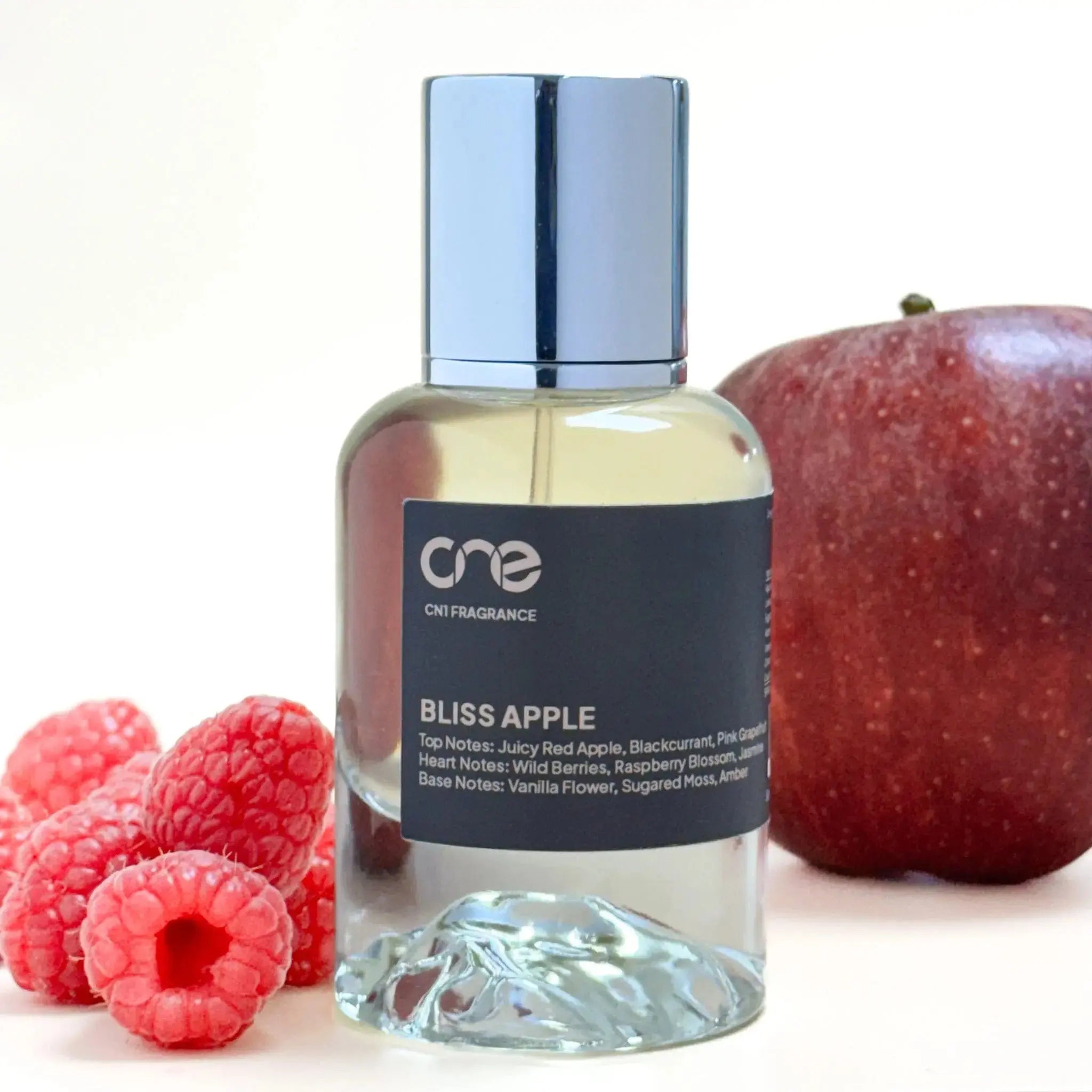
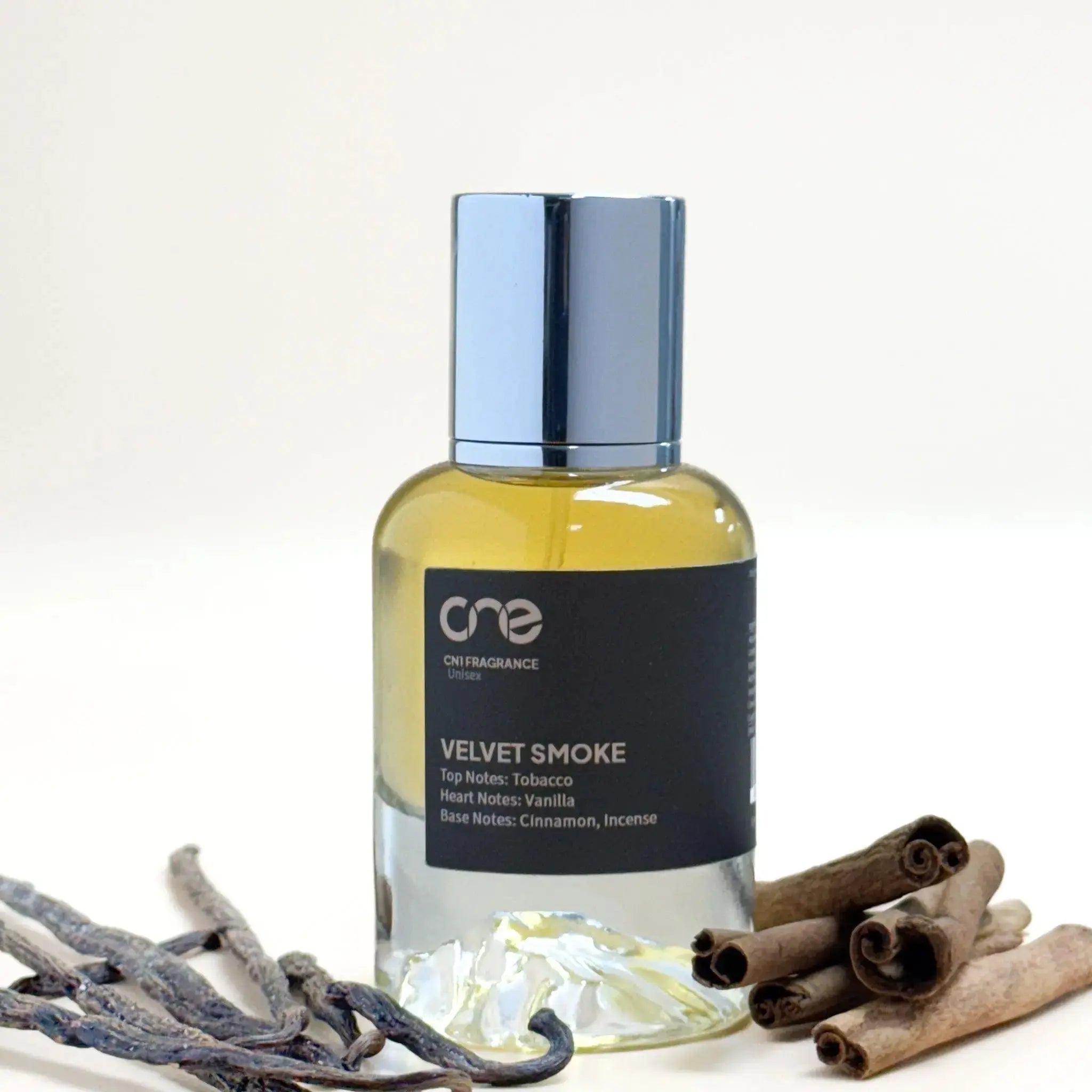
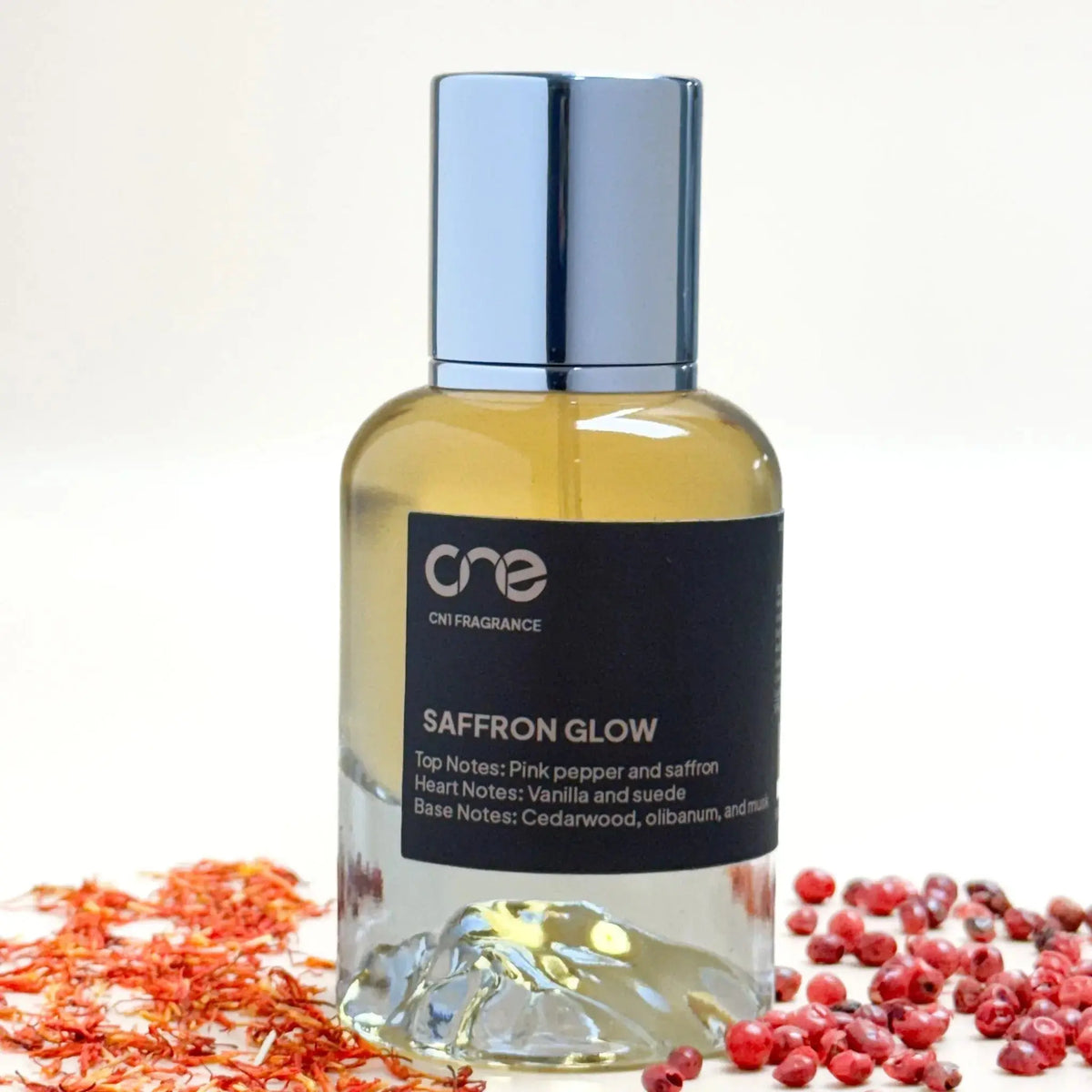
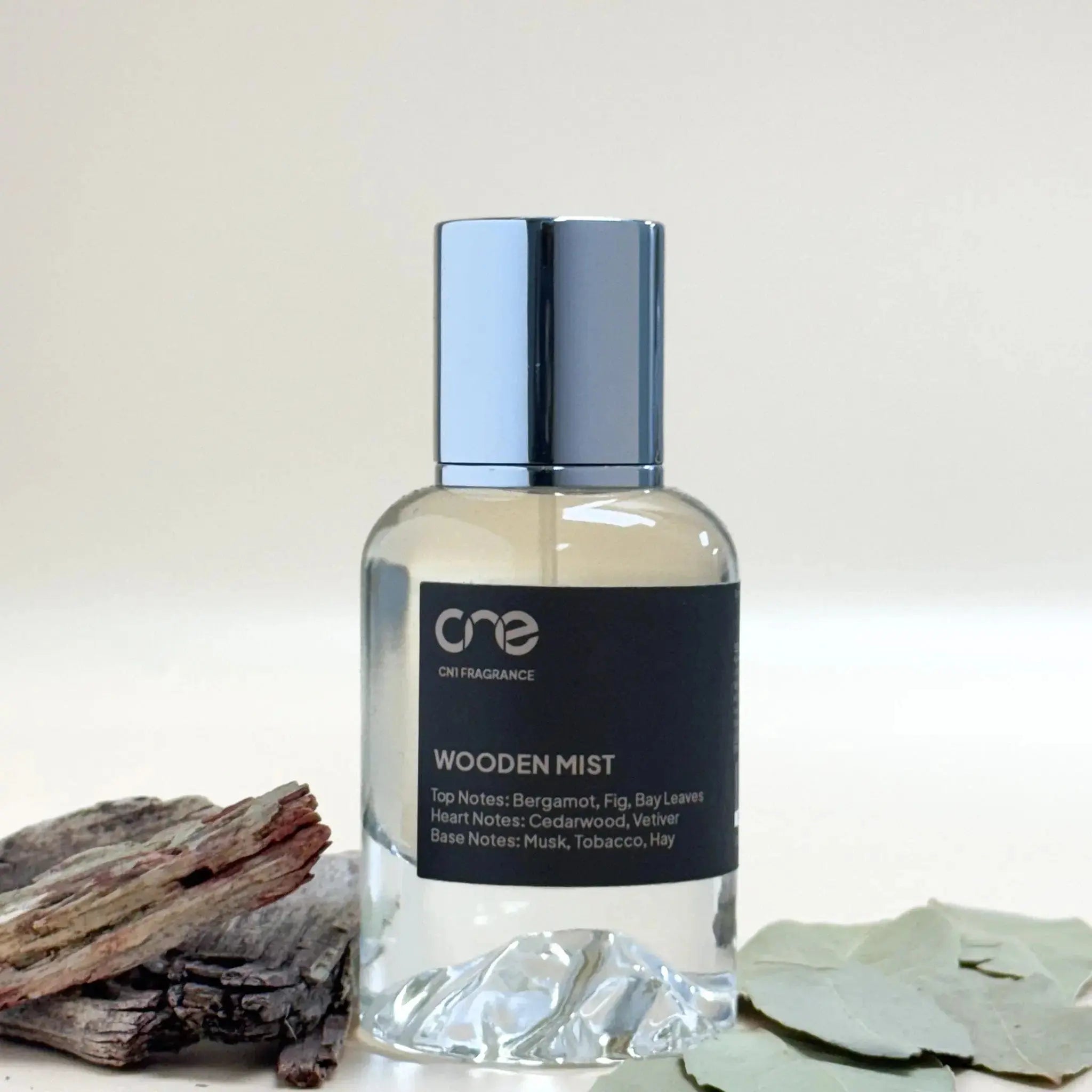
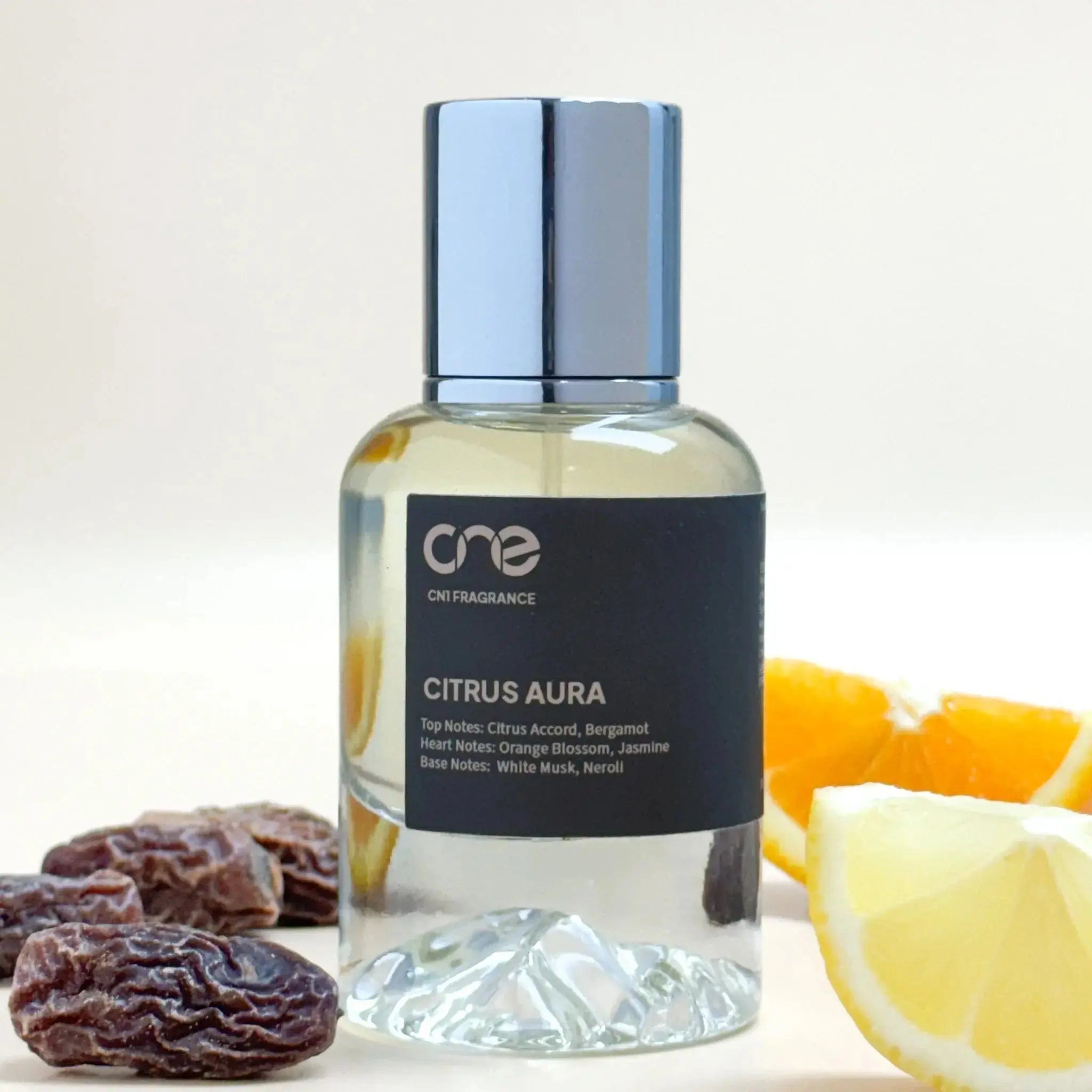
Layering fragrance means wearing two or more scents together so they combine into something neither one is alone. Done well, it gives you a signature nobody else has. Done badly, it's a headache in a room. The difference comes down to three rules: share a note between the scents, let one lead and the other support, and use fewer sprays than you would for either fragrance on its own.
Most people who try layering overdo it on the first attempt, decide layering isn't for them, and stop. The problem usually isn't the combination — it's the volume.
Why layer at all?
Three reasons, and only one of them is about smelling unusual.
To make something yours. Two widely available fragrances combined in a specific ratio produce a scent profile that's effectively unique to you. This is the main appeal.
To fix what a fragrance lacks. If you love a scent but it fades by lunch, layering it over a heavier base extends it. If a fragrance is too sweet, a woody or citrus companion cuts it.
To adapt one bottle to more situations. A fragrance that's too intense for the office can be softened with something light. The same bottle then works in two contexts instead of one.
The rule that prevents most failures: share a note
If two fragrances have nothing in common, your nose reads them as two separate smells rather than one scent. That's the clash people describe when layering goes wrong.
Pick fragrances that share at least one note — usually in the base, since base notes last longest and do the work of binding the combination together. Vanilla, musk, amber, sandalwood, and cedar are the most reliable bridges because they sit under almost everything.
Every CN1 product page lists the full note pyramid. Before combining two fragrances, read both lists and look for overlap. If you find a shared base note, the combination will probably work. If the two share nothing, it probably won't.
Let one fragrance lead
Layering is not a 50/50 blend. A combination where both scents fight for attention reads as noise.
Choose a lead — the fragrance you want people to notice — and a support that adds depth underneath. In practice that means roughly two sprays of the lead to one of the support.
The support should almost always be the simpler, heavier fragrance. Complex scents with a lot happening in the top and heart don't sit quietly under anything; they compete. Musks, plain vanillas, and clean woods make good supports precisely because they're uncomplicated.
Spray less than you think
This is the whole article in one line. Two fragrances layered should total fewer sprays than one fragrance worn alone.
If you normally wear four sprays, a layered combination should be three total — two of the lead, one of the support. Not four and four. The instinct to apply a full dose of each is what produces the overwhelming result people associate with layering.
You can always add more an hour later. You cannot remove fragrance once it's on.
Apply in the right order
Heaviest first, lightest last.
Denser fragrances — ambers, ouds, gourmands — go on the skin first and anchor the combination. Lighter fragrances go over the top, where they'll be the first thing noticed and the first to fade, revealing the base underneath as the day goes on.
Reversing this buries the light scent immediately and wastes it.
Two practical placement options:
- Same spot — both fragrances on the same pulse points. Produces a true blend. Higher risk, better payoff.
- Separate spots — one on the wrists, one on the neck or chest. The scents combine in the air around you rather than on the skin. More forgiving, and the better choice for a first attempt.
Combinations that reliably work
Vanilla + woody. The most forgiving pairing there is. Vanilla softens the dryness of cedar or sandalwood; the wood keeps the vanilla from reading as dessert. Nearly foolproof.
Citrus + amber. Citrus is bright but short-lived. An amber base gives it something to sit on, so the freshness lasts past the first hour instead of vanishing.
Floral + musk. Musk rounds off the sharp edges some florals have and adds skin-like warmth underneath.
Fruity + gourmand. Both are sweet, so the risk is going too far. Keep the fruit as the lead and use the gourmand sparingly — one spray at most.
Aquatic + woody. Cleanness over dryness. Reads as fresh but grounded rather than sporty. Works well in professional settings.
Combinations to avoid
Two complex fragrances. If both have busy note pyramids, they'll compete rather than combine. At least one should be simple.
Two gourmands. Sweet on sweet becomes cloying fast and is the most common layering mistake.
Opposing temperatures. A cold aquatic under a warm spicy amber tends to read as two unrelated scents rather than one.
Two heavy hitters. Oud and a strong amber together is not double the impact — it's a wall.
The easiest way to start: body products
If full fragrance-on-fragrance layering feels like too much risk, start here instead.
Applying a body splash or mist first and a fragrance over it is layering with training wheels. Body products are lighter and less concentrated, so the margin for error is much wider — and moisturized skin holds fragrance noticeably longer regardless, so you get better longevity as a side effect.
Our body splash collection works well underneath any eau de parfum. Match the family if you want a seamless result, or contrast deliberately if you want dimension.
Testing a combination before you commit to it
Don't debut a new layering combination somewhere it matters.
- Test on skin, not paper. Layering depends on how two fragrances develop together on your chemistry.
- Wait a full hour. Layered scents change more dramatically than single fragrances as the top notes of both burn off.
- Wear it somewhere low-stakes first — running errands, not a first date or a client meeting.
- Ask someone. You go nose-blind to your own combination within twenty minutes, which is exactly how people end up over-applying.
If you want to experiment across several directions without buying full bottles of each, the Discovery Set at $19.99 is the cheapest way to find combinations that work.
When not to layer
Layering isn't always the answer, and there are situations where a single fragrance is simply the better choice.
Enclosed spaces. Offices, planes, elevators, classrooms. Layered fragrance projects more than either scent alone, and in shared air that's inconsiderate rather than impressive.
Hot weather. Heat amplifies fragrance considerably. A combination that reads as balanced in November can be overpowering in July.
When the fragrance is already complex. Some scents are complete compositions. Adding to them doesn't improve them.
When you're not sure. If you can't tell whether a combination is working, wear one of the two. Layering should be a deliberate choice, not a hedge.
Frequently asked questions
How many fragrances can you layer at once?
Two for almost everyone. Three is possible if one is a body product rather than a full fragrance, but each addition multiplies the chance of a muddled result. Start with two and stay there unless you have a specific reason not to.
Should I spray layered fragrances on the same spot or different spots?
Different spots are more forgiving and better for a first attempt — the scents mix in the air rather than on skin. The same spot produces a truer blend but carries more risk. Start separate, move to combined once you know the pairing works.
Which fragrance goes on first when layering?
The heavier one. Denser fragrances like amber, oud, and gourmands go on the skin first to anchor the combination; lighter fragrances go over the top. Reversing the order buries the lighter scent immediately.
How do I know if two fragrances will work together?
Check whether they share a note, ideally in the base. Vanilla, musk, amber, sandalwood, and cedar are the most reliable bridges. Two fragrances with nothing in common will read as two separate smells rather than one combined scent.
Does layering make fragrance last longer?
It can, if the supporting fragrance has a heavier base. A light citrus layered over an amber or musk base will outlast the citrus worn alone, because the base notes continue after the citrus has evaporated.
Can I layer if I have sensitive skin?
Layering means more total product on skin, so patch test each fragrance separately first. Applying to different spots rather than the same area reduces concentration on any one patch of skin.
Why does my layered combination smell fine to me but strong to others?
You go nose-blind to a scent you're wearing within about twenty minutes, and layered combinations are especially prone to this because there's more to adapt to. Ask someone else before adding more sprays.
The short version
Share a note. Pick a lead. Spray less than you would for one fragrance alone. Heavy first, light on top. Test before it matters.
Ready to experiment? Browse all CN1 fragrances, the CN1 Originals, or start with our guide to finding your signature scent.