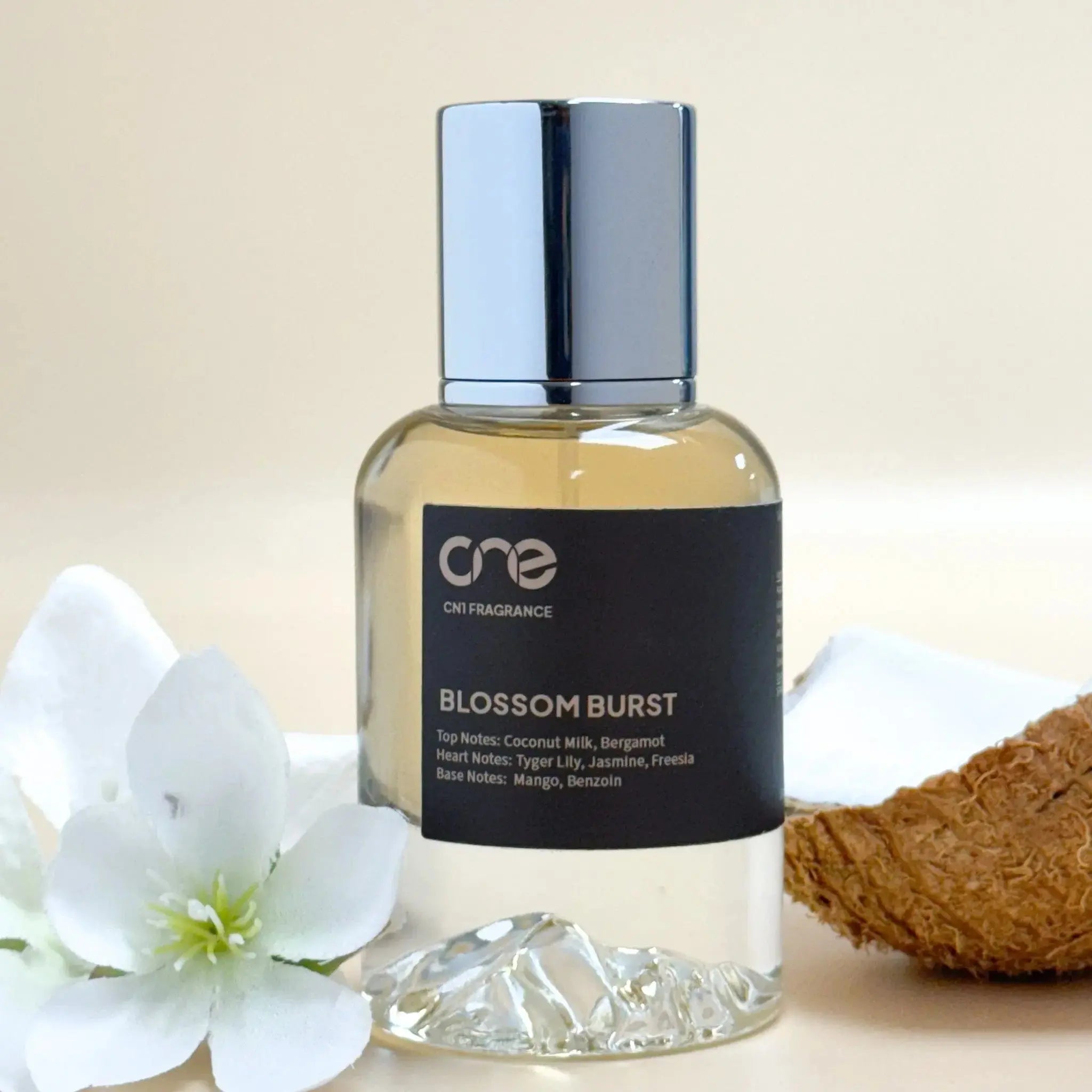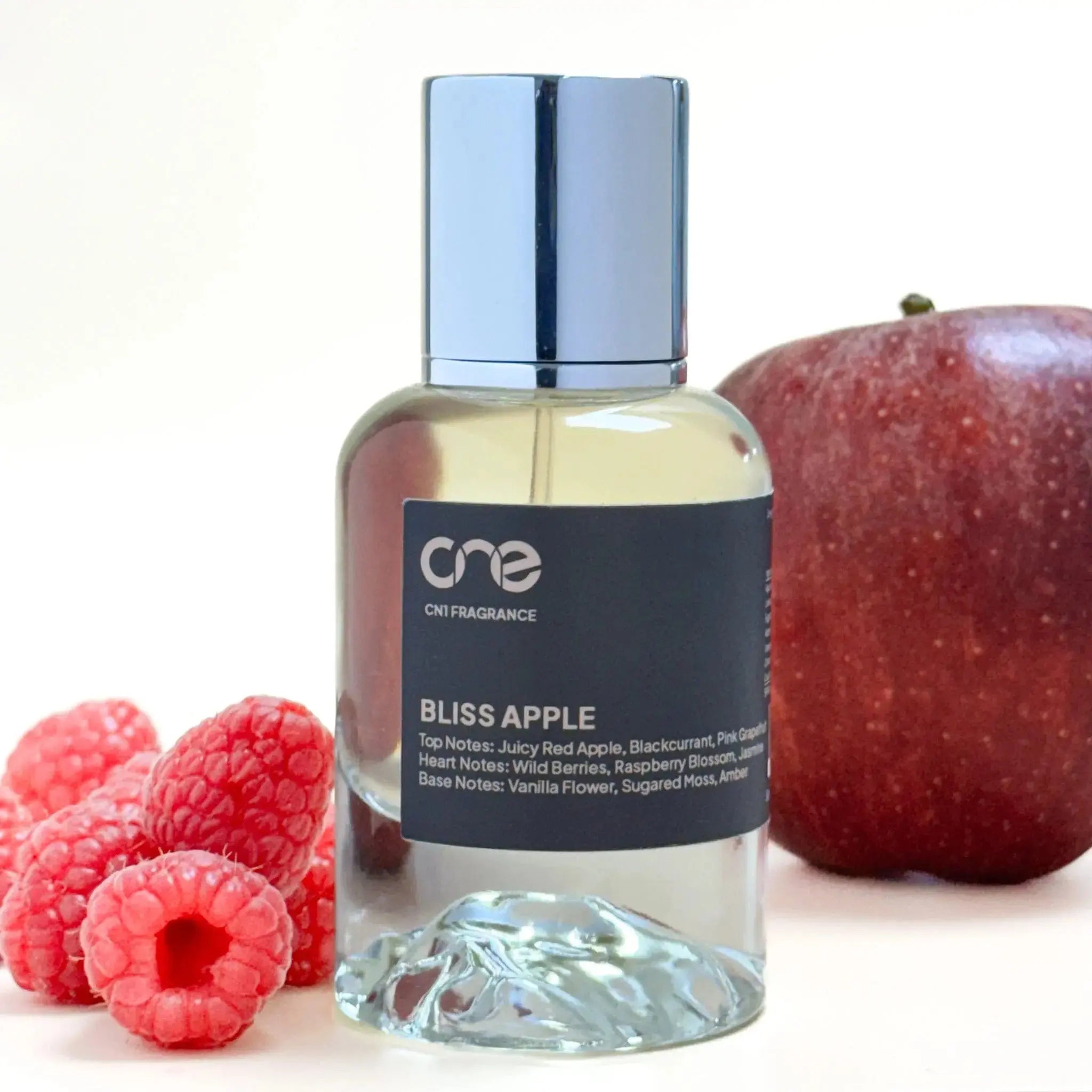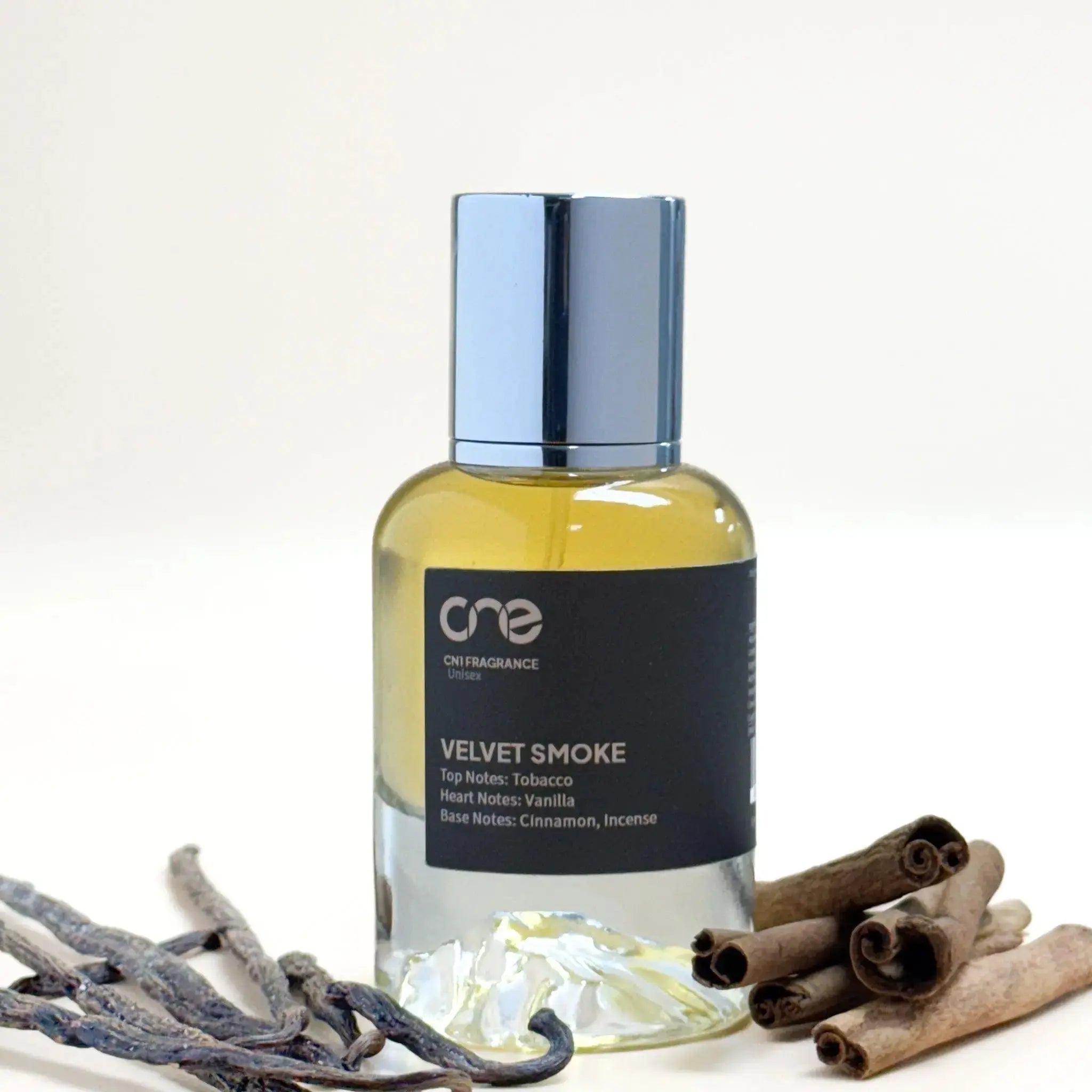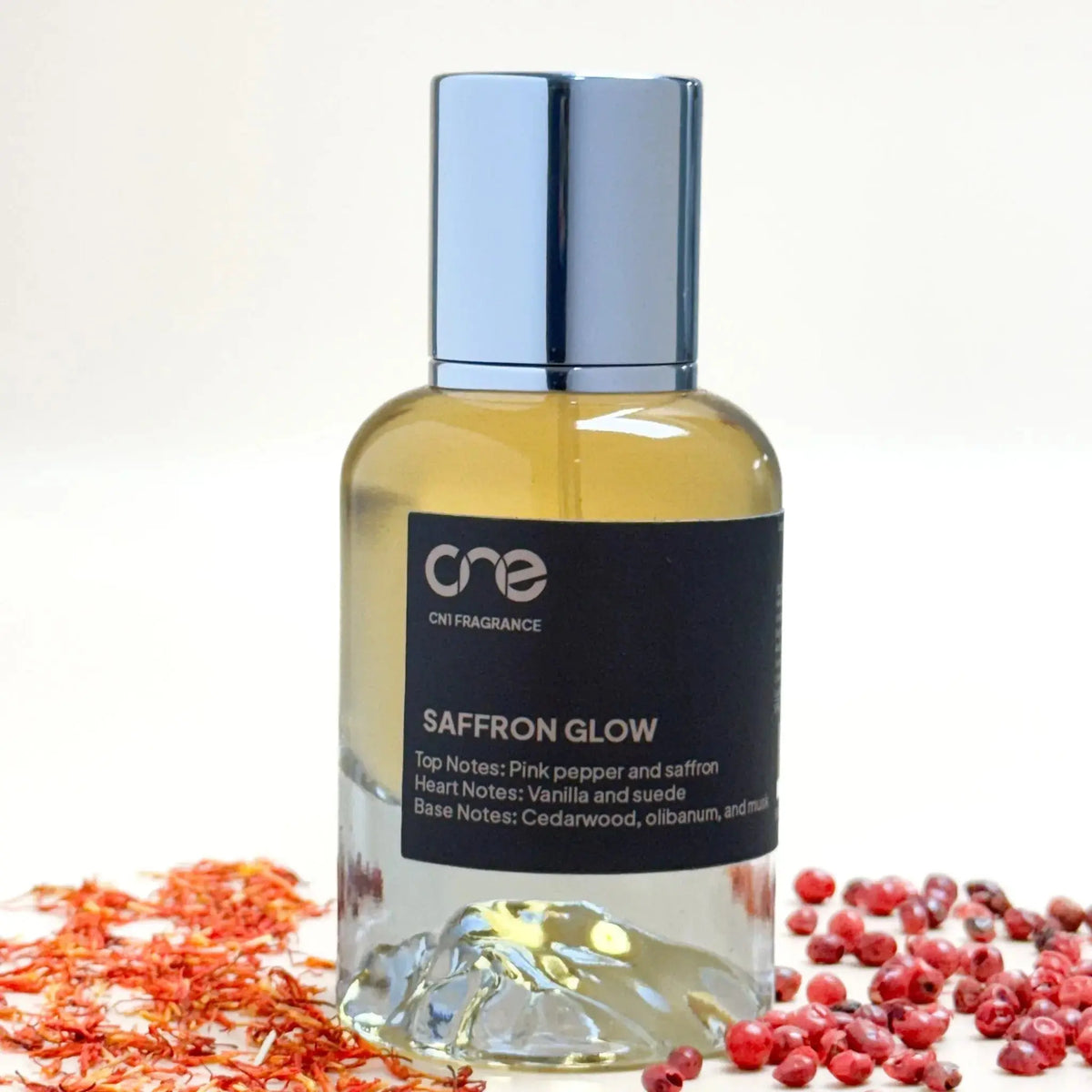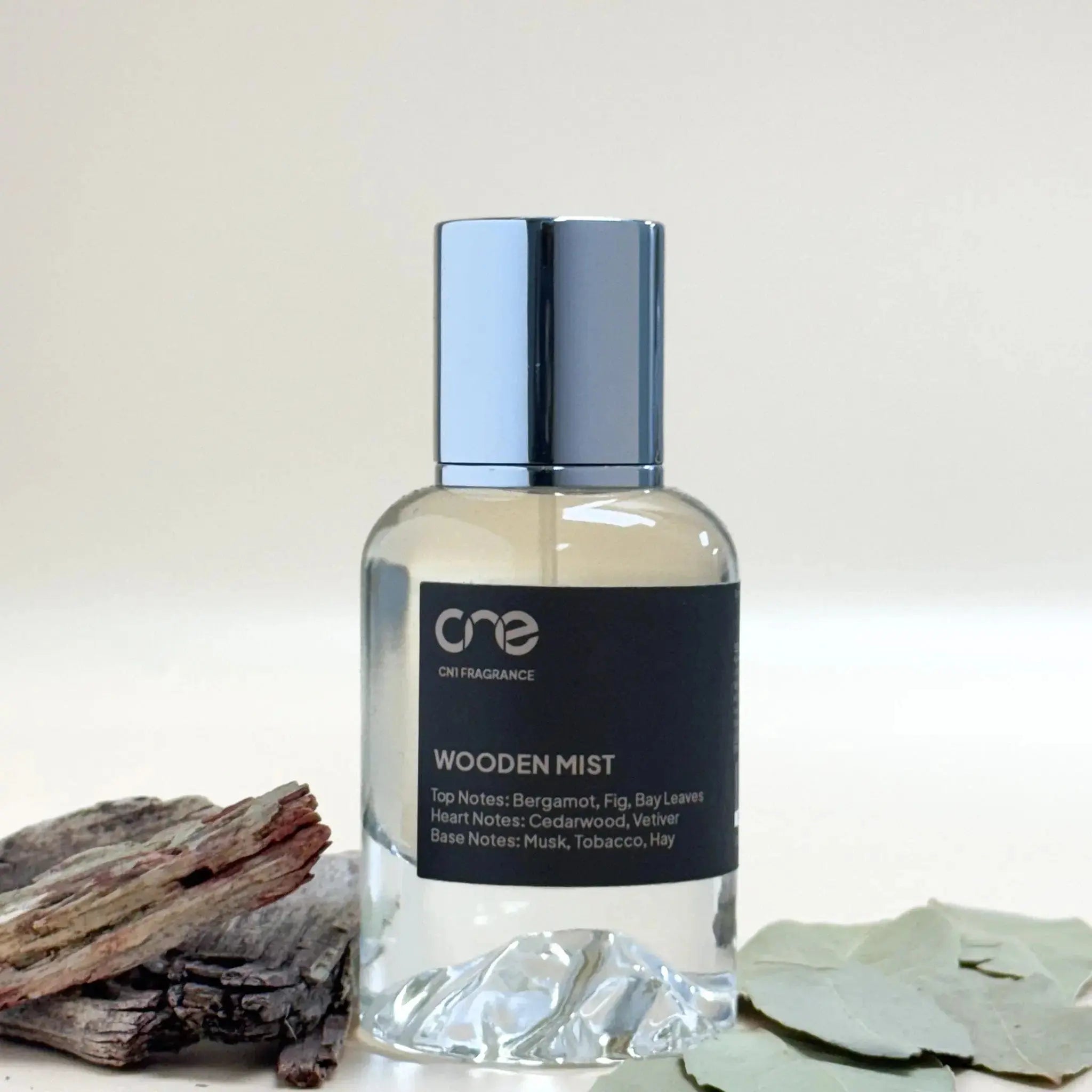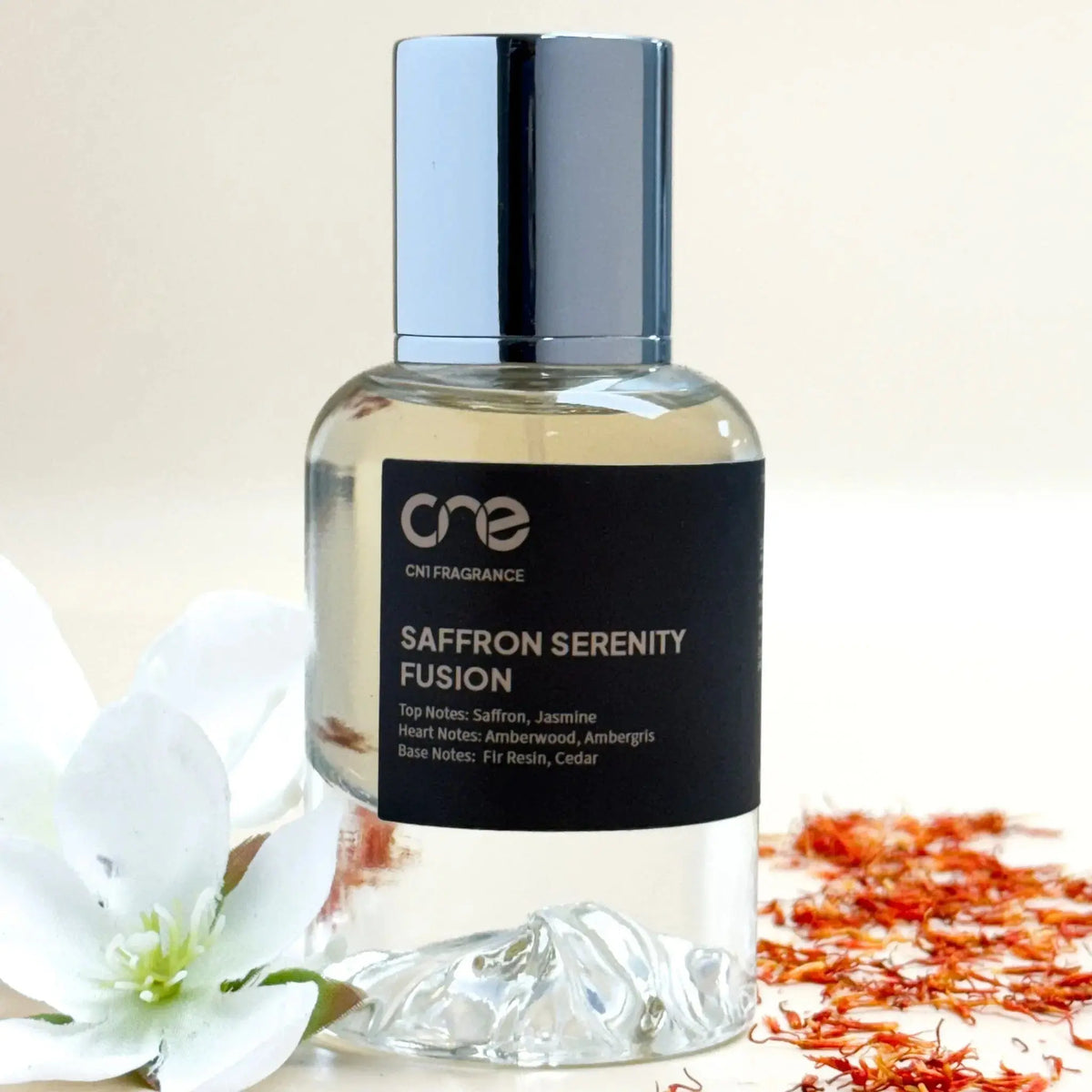
A designer-inspired fragrance is an original composition created to evoke the scent profile of a well-known designer perfume, sold under its own name at a lower price. It is not a counterfeit and not a copy of the formula. The perfumer works backward from how a reference fragrance smells, then builds an independent composition that lands in similar territory. These are also called impressions, alternatives, or dupes.
The category has grown quickly, and with it a fair amount of confusion about what is legal, what is ethical, and what you are actually buying. Here is the accurate version.
Inspired fragrance vs counterfeit: the distinction that matters
These are frequently conflated, and they are not remotely the same thing.
A counterfeit imitates the original's brand. It carries the designer's name, logo, and packaging, and it is sold to make you believe you are buying the real product. It is trademark infringement and it is illegal. Counterfeits are also genuinely unsafe — they are produced outside regulated supply chains, and testing has repeatedly found contaminants in seized products.
A designer-inspired fragrance carries its own brand name and its own packaging, and it does not claim to be the original. It references the designer fragrance descriptively, to tell you what scent direction it occupies. Nobody buying it is being deceived about what it is.
The legal basis for the difference is that scent formulas are generally not protectable under intellectual property law. Fragrance houses guard their formulas as trade secrets, but a trade secret protects against theft, not against someone independently arriving at a similar result. A perfumer who smells a fragrance and builds something comparable from scratch has not taken anything. Trademark law protects the name — which is why an inspired fragrance must be sold under its own name, and why referencing the original is permitted as factual comparison rather than as branding.
How they are actually made
The process is closer to transcription than to copying.
A perfumer analyses the reference fragrance — by nose, and often with gas chromatography, which separates a mixture into its component materials. That produces an approximate map of what is in the composition, though not the proportions, the order of construction, or the specific grades of material used. From that map, the perfumer builds a new composition that reaches a similar destination by a different route.
This is why inspired fragrances are never identical. Different raw materials, different suppliers, different ratios. A good impression captures the character and the overall shape of the original; it will not be indistinguishable side by side, and any brand claiming otherwise is overselling.
Why the price difference is so large
A designer fragrance at $150 and an inspired version at $40 can contain oil of comparable quality. The gap is mostly in costs that never touch the liquid.
- Marketing. The largest single line item. Major fragrance launches carry advertising budgets in the tens of millions, plus celebrity endorsement fees.
- Licensing. Most designer fragrances are made under licence by a handful of large manufacturers, who pay royalties to the fashion house whose name is on the bottle.
- Packaging. Weighted glass, magnetic caps, and printed outer boxes are a meaningful share of unit cost.
- Retail margin. Department stores and beauty retailers typically take a substantial cut, and the wholesale price has to accommodate it.
- Positioning. Beyond cost, price itself is a signal. A luxury fragrance priced at $40 would not sell as a luxury fragrance.
Selling direct, without licensing or celebrity fees or retail margin, removes most of that structure. What is left is the cost of the juice, the bottle, and getting it to you.
What you should expect — honestly
An inspired fragrance in this price range will generally match the original's overall character and be recognisable to someone who knows the reference. Longevity and projection vary; some impressions outperform their reference, some fall short.
What it will not do is smell identical. Expect the opening to differ most — top notes use the most volatile and often most expensive materials, and this is where formulations diverge first. The dry-down is usually closer, since base materials are more standardised across the industry.
Anyone promising an exact match is not being straight with you.
How to judge whether an inspired fragrance is any good
Does the brand publish full note pyramids? A brand confident in its composition will list top, heart, and base notes. Vagueness here usually means there is not much to describe.
Does it name the reference openly? Naming the designer fragrance directly is the honest approach. Hinting at it with lookalike packaging or a suggestive name is closer to counterfeiting.
Are the claims plausible? Assertions that a fragrance is chemically identical, or that it reacts uniquely to your body chemistry in ways others do not, are marketing rather than perfumery.
Is there a return policy? Fragrance is difficult to buy unsniffed. A brand that will not take returns is transferring all the risk to you.
Where CN1 sits
CN1 sells two things. Impressions are designer-inspired fragrances, with the reference named on every product page and the full note pyramid published. CN1 Originals are in-house compositions with no reference point — including CN1 Candy, Cocktail Breeze, and White Mango.
All are eau de parfum concentration, formulated paraben-free, phthalate-free, and cruelty-free. Returns are accepted within 15 days.
CN1 is not affiliated with, endorsed by, or connected to any of the designer brands referenced across the catalogue. Those names are used solely to describe scent character, and all trademarks belong to their respective owners.
Frequently asked questions
Are designer-inspired fragrances legal?
Yes, when sold under their own brand name and packaging. Scent formulas are generally not protectable under intellectual property law, so creating a fragrance that smells similar to another is lawful. What is not lawful is using the original brand's name, logo, or packaging to pass a product off as the original — that is counterfeiting.
What is the difference between a dupe and a fake perfume?
A dupe is sold under its own name and does not claim to be the original. A fake carries the designer's branding and is sold to deceive. The first is a legitimate alternative product; the second is trademark infringement and frequently unsafe, since counterfeits are produced outside regulated supply chains.
Do designer-inspired fragrances smell exactly like the original?
No. They are built to capture the character and overall direction of the reference, not to replicate it precisely. Expect the opening to differ most and the dry-down to be closer. Any brand claiming an exact match is overselling.
Why are inspired fragrances so much cheaper?
Because most of a designer fragrance's price covers costs unrelated to the liquid: advertising, celebrity endorsements, brand licensing royalties, elaborate packaging, and retail margin. Selling direct without those layers removes the majority of the cost structure.
Are inspired fragrances lower quality?
Not necessarily. Quality depends on the materials used and the skill of the composition, not on the price on the box. Some inspired fragrances use good materials and perform well; others do not. Published note pyramids, a clear return policy, and realistic claims are better quality signals than price.
How long do designer-inspired fragrances last?
It varies by composition rather than by category. An eau de parfum built on woods, amber, and musk will typically last four to eight hours. One built mainly on citrus will fade faster regardless of concentration. Read the base notes.
What does "impression" mean in fragrance?
Impression is the term many brands use for a designer-inspired fragrance. It signals that the scent evokes a reference fragrance without claiming to reproduce it. Alternative, inspired-by, and dupe are used to mean the same thing.
Is it safe to buy inspired fragrances online?
From a brand selling under its own name, yes — these are produced under the same cosmetic safety regulations as any other fragrance. The genuine risk is counterfeits carrying designer branding, which fall outside regulated supply chains and have been found to contain contaminants.
The short version
Designer-inspired fragrances are legal, independently composed, and sold under their own name. They capture the character of a reference fragrance without reproducing it. The price difference reflects marketing and distribution rather than the liquid. Judge them by published notes, honest claims, and a real return policy — not by how confidently the comparison is made.
Browse all CN1 fragrances, or read our guides to finding your signature scent and fragrance concentrations.