Fragrance concentration refers to how much perfume oil is dissolved in the alcohol base. Higher concentration generally means the fragrance lasts longer and projects more. The five common labels, from strongest to lightest, are parfum, eau de parfum, eau de toilette, eau de cologne, and eau fraiche. Eau de parfum is the most widely sold category because it balances longevity against wearability.
One thing most guides leave out: these labels are marketing conventions, not regulated standards. There is no law in the United States or the European Union defining what percentage of oil a fragrance must contain to be called an eau de parfum. The ranges below are industry norms, and brands apply them with considerable latitude.
The five concentrations
| Label | Typical oil content | Typical longevity | Commonly used for |
|---|---|---|---|
| Parfum (Extrait) | 20–30% | 6–12 hours | Evening, special occasion |
| Eau de Parfum (EDP) | 15–20% | 4–8 hours | Daily wear, most versatile |
| Eau de Toilette (EDT) | 5–15% | 3–5 hours | Daytime, warm weather |
| Eau de Cologne (EDC) | 2–5% | 2–3 hours | Refreshing, frequent reapplication |
| Eau Fraîche | 1–3% | 1–2 hours | Light, body-splash style |
Treat these as approximate. A well-constructed eau de toilette can outlast a poorly constructed eau de parfum, because longevity depends on which materials are used as much as on how much of them there are.
Why concentration is a weaker signal than people think
Concentration tells you how much oil is in the bottle. It does not tell you what that oil is made of, and that is what actually determines how long a fragrance lasts on skin.
Fragrance materials have different molecular weights. Citrus oils are light and evaporate within minutes regardless of concentration. Woods, resins, musks, and vanillin are heavy and can persist for eight hours or more even in modest amounts. A fragrance built mostly on citrus at 20% concentration will fade faster than one built on sandalwood and musk at 10%.
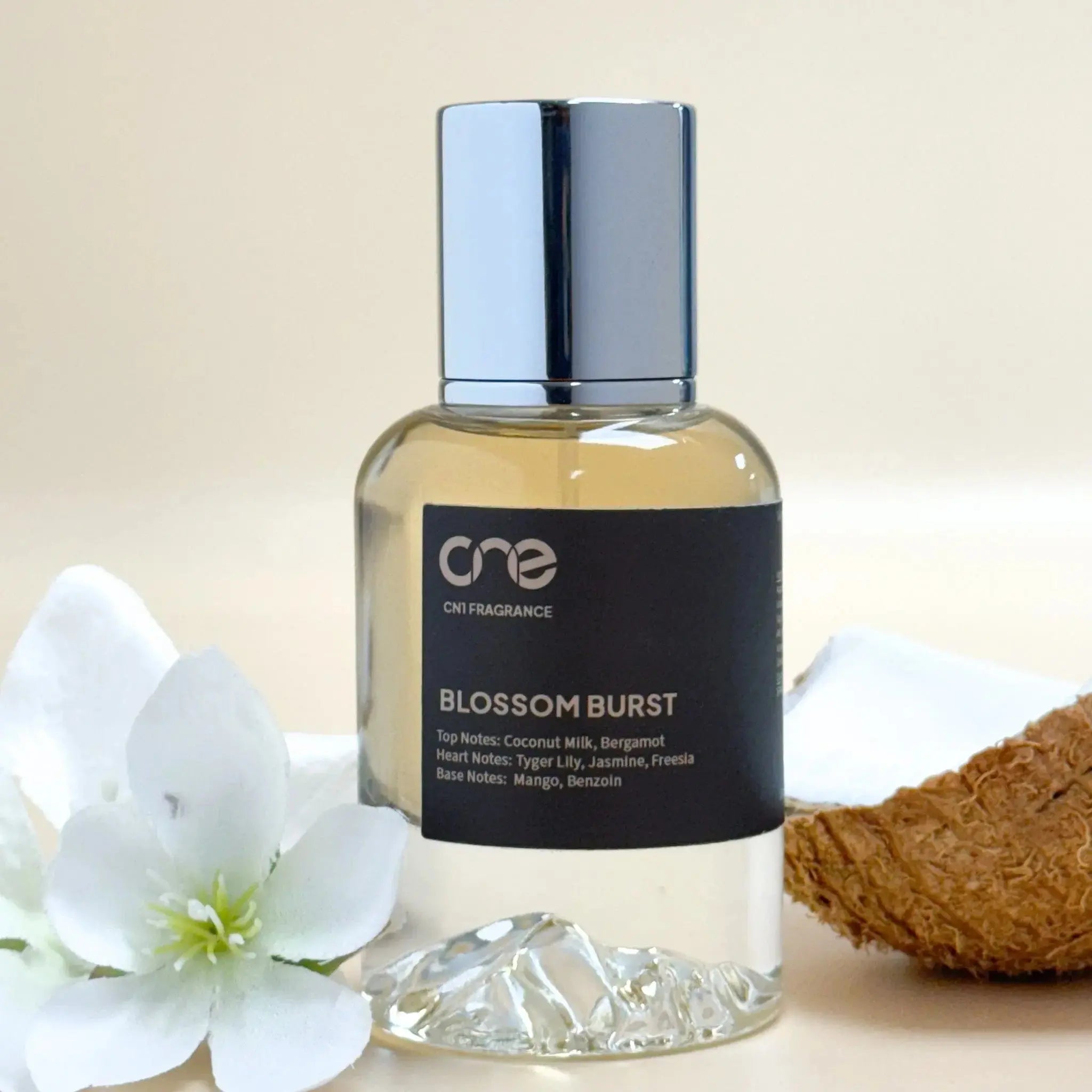
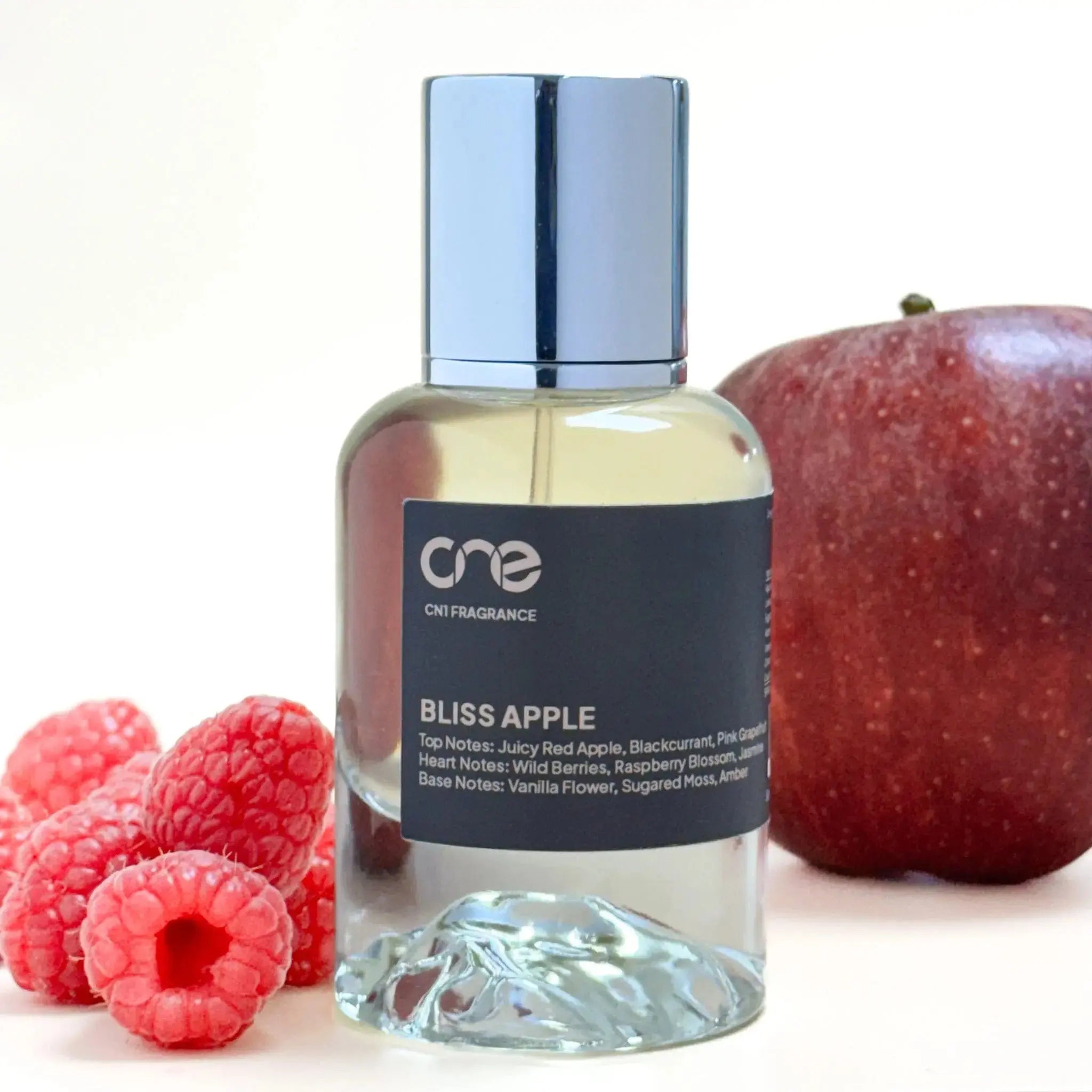
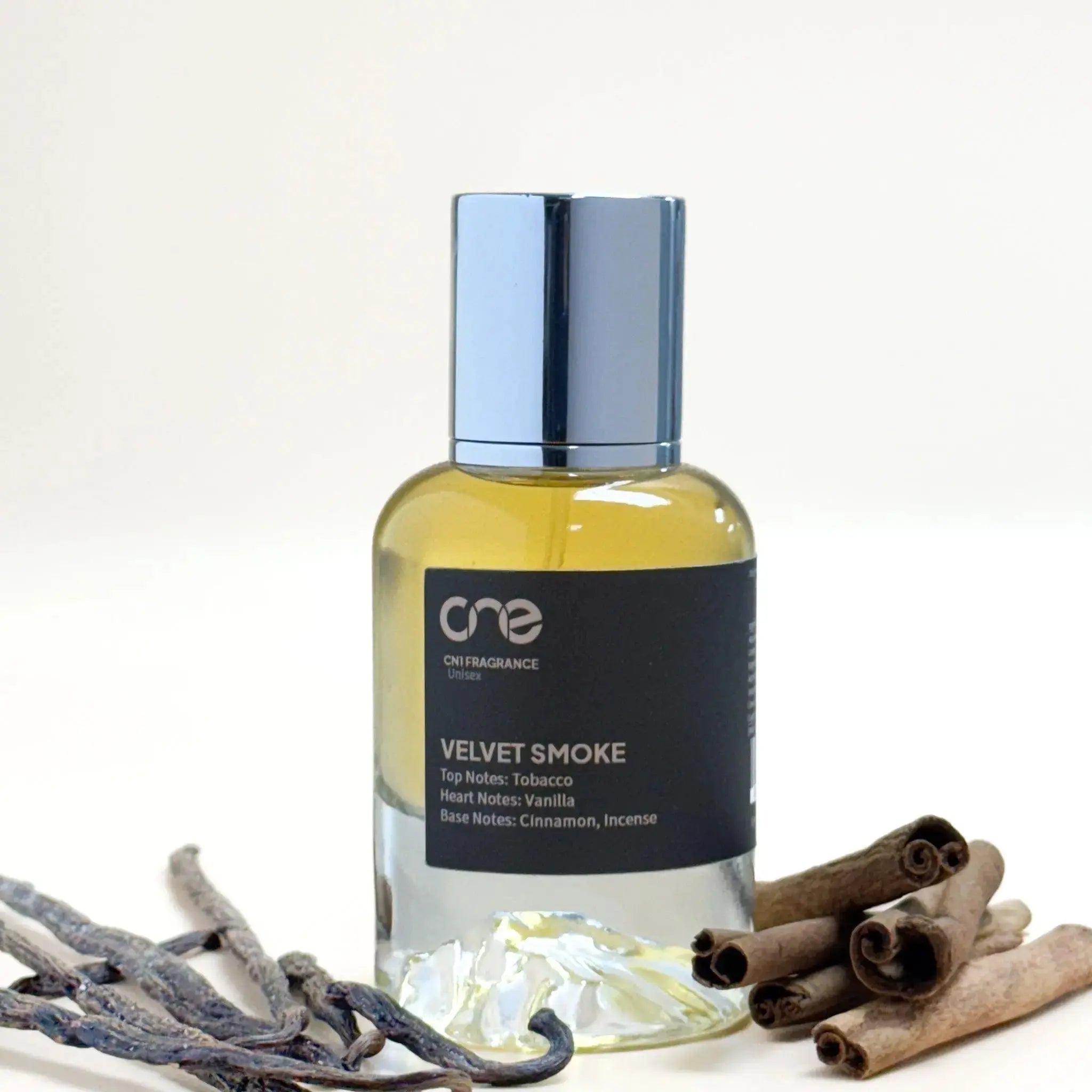
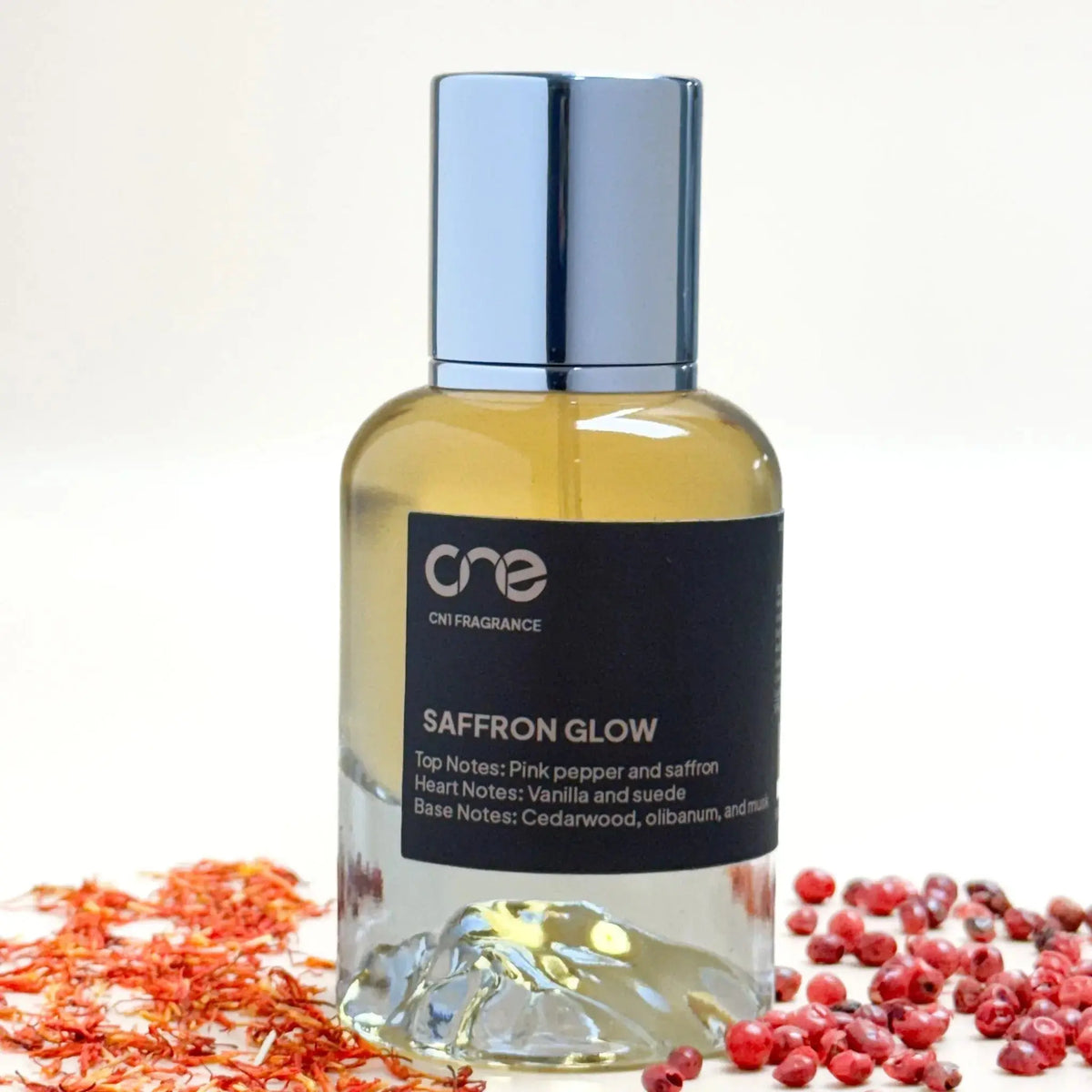
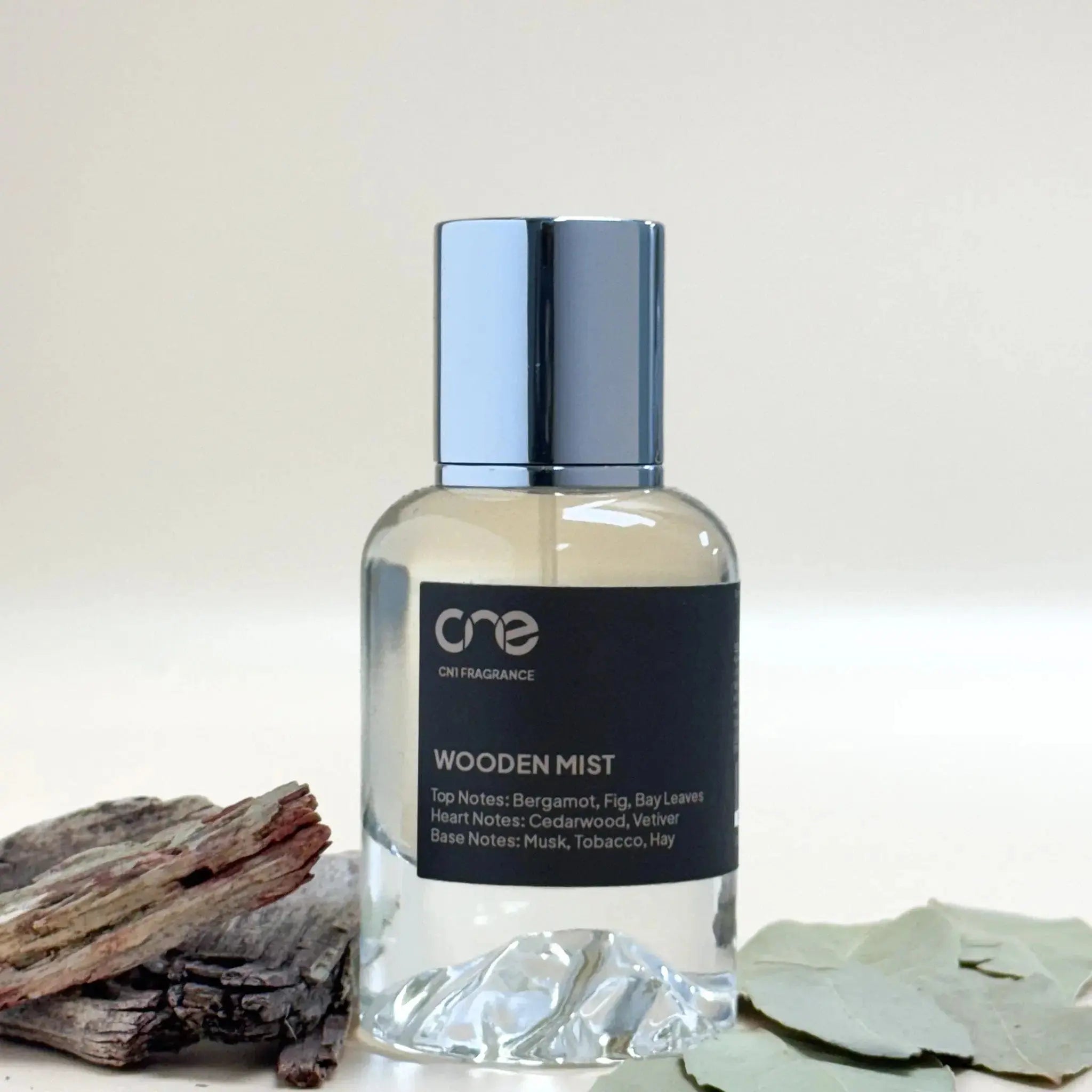
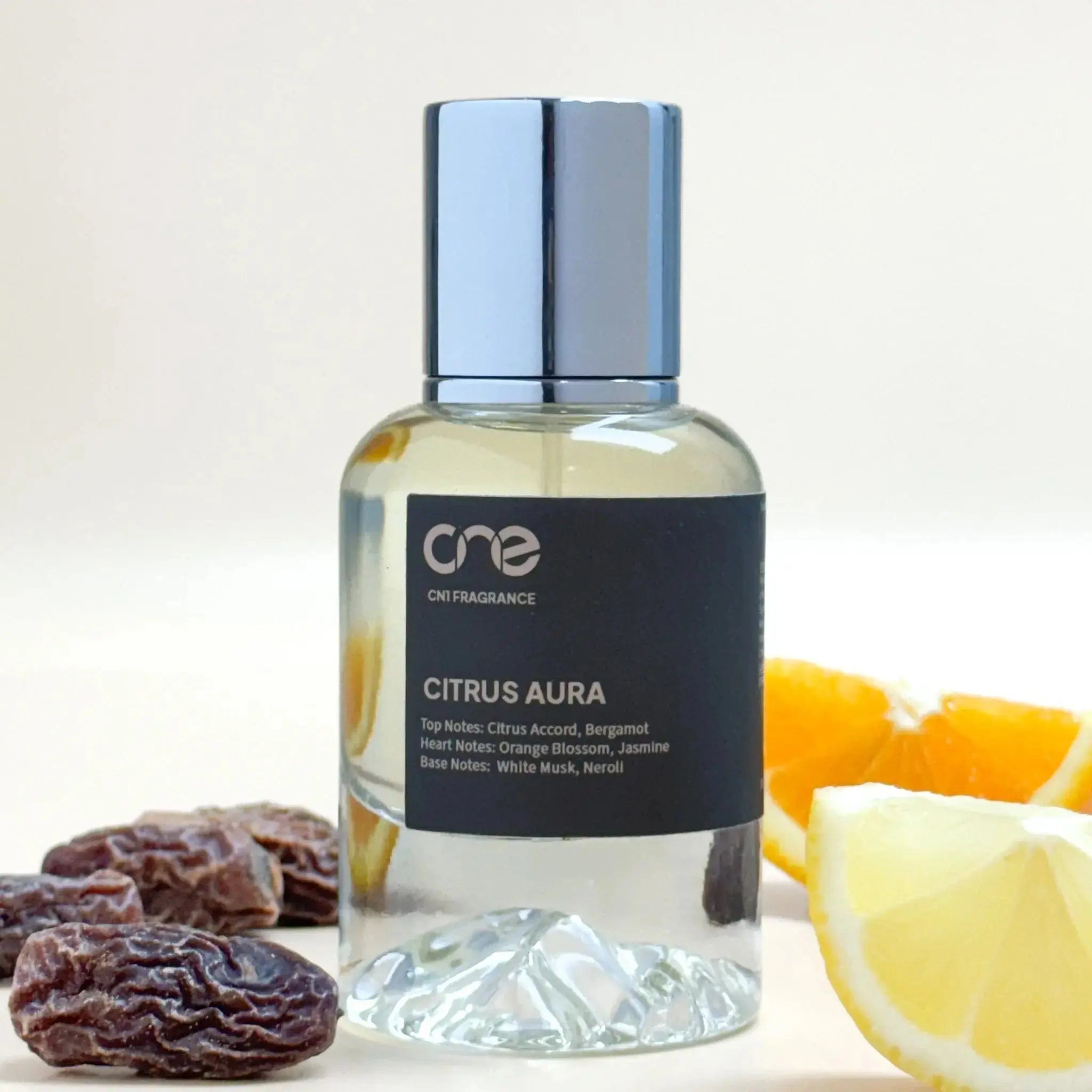
This is why reading the base notes tells you more about longevity than reading the concentration label. Every CN1 product page lists the full note pyramid for exactly this reason.
Eau de parfum: why it dominates
Eau de parfum has become the default category for most fragrance releases, and the reason is practical rather than technical.
Parfum concentration is expensive to produce and often too intense for daily wear — it projects strongly in enclosed spaces and can be difficult to moderate. Eau de toilette is easy to wear but frequently requires reapplication during a working day. Eau de parfum sits between the two: enough longevity to last from morning to evening, moderate enough projection to be appropriate in shared spaces.
All CN1 fragrances are eau de parfum for this reason. It is the concentration that suits how most people actually wear fragrance.
How concentration affects application
The stronger the concentration, the fewer sprays you need — and the more consequential it is to get the number wrong.
- Parfum: one to two applications, usually dabbed rather than sprayed.
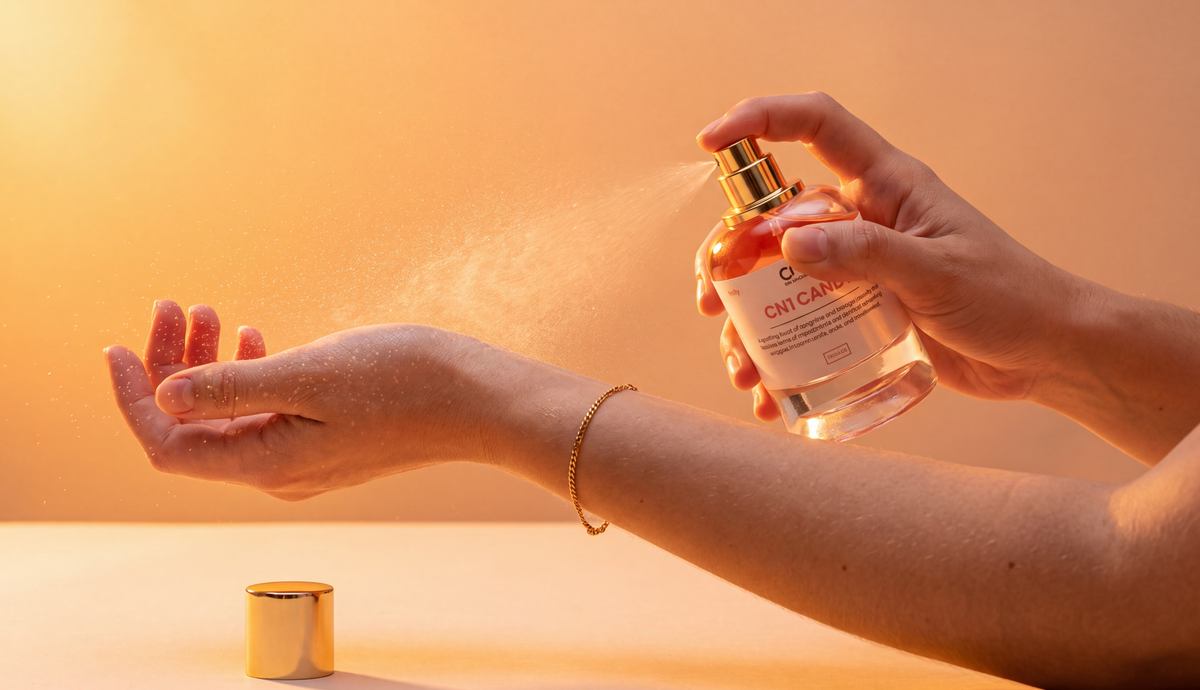
- Eau de parfum: two to four sprays. Start at two.
- Eau de toilette: three to five sprays, with likely reapplication after four or five hours.
- Eau de cologne and eau fraîche: apply freely; these are designed to be reapplied.
The common error is applying an eau de parfum at eau de toilette volume. Four to six sprays of EDP is a great deal of fragrance, and because you go nose-blind to your own scent within roughly twenty minutes, you will not notice.
Concentration and price
Higher concentration costs more to produce, but concentration is rarely the main driver of retail price.
A designer eau de parfum at $150 and an independent eau de parfum at $40 may contain similar oil percentages. The difference is largely marketing spend, celebrity licensing, packaging, retail margin, and brand positioning — costs that attach to the box and the campaign rather than to the liquid.
This is worth knowing when comparing fragrances. Price signals brand tier reliably. It signals concentration only loosely, and quality of composition not at all.
Which concentration should you buy?
For most people, most of the time: eau de parfum. It lasts a working day, suits both warm and cold weather, and is moderate enough for offices and shared spaces.
Choose parfum if you want maximum longevity for evenings and do not mind applying sparingly. Choose eau de toilette if you find most fragrances too strong, or if you are buying specifically for hot weather. Choose eau de cologne or eau fraîche if you want something refreshing you can reapply through the day rather than a scent that lasts.
If you are unsure, start with eau de parfum and adjust the number of sprays rather than switching category.
Frequently asked questions
What is the difference between eau de parfum and eau de toilette?
Eau de parfum contains a higher concentration of fragrance oil, typically 15 to 20% against 5 to 15% for eau de toilette. In practice eau de parfum lasts roughly four to eight hours on skin while eau de toilette lasts three to five, though the specific materials used affect this as much as the concentration does.
Is parfum better than eau de parfum?
Not better, stronger. Parfum lasts longer and projects more, which is an advantage for evening wear and a drawback in offices, flights, and other enclosed spaces. Eau de parfum is the more versatile choice for daily wear.
Does higher concentration always mean longer lasting?
No. Longevity depends on which materials a fragrance is built from as much as on how much oil it contains. Heavy base materials such as sandalwood, amber, musk, and vanilla persist for hours; citrus and light herbs evaporate quickly at any concentration. A citrus-dominant fragrance at high concentration can fade faster than a woody one at lower concentration.
Are fragrance concentration labels regulated?
No. There is no legal standard in the United States or European Union defining the oil percentage required for a fragrance to be labelled eau de parfum or eau de toilette. The commonly cited ranges are industry conventions, and brands apply them with latitude.
How many sprays of eau de parfum should I use?
Two to four. Start with two and add only if you cannot detect the fragrance at the two-hour mark. You go nose-blind to your own scent within about twenty minutes, so your own perception is not a reliable guide to how strongly others experience it.
What concentration are CN1 fragrances?
All CN1 fragrances are eau de parfum. This is the concentration that best suits how most people wear fragrance day to day — long-lasting enough to carry a full day, moderate enough for shared spaces.
Does concentration affect how a fragrance smells?
Yes, beyond simple intensity. Higher concentrations can shift the balance of a composition, bringing base notes forward and making the fragrance read as richer or heavier. The same fragrance released in both eau de parfum and eau de toilette versions often smells noticeably different, not merely stronger or weaker.
Do higher concentrations last longer in the bottle?
Generally yes. Higher oil content and lower alcohol content make a fragrance somewhat more stable over time. Storage matters far more, though — heat and direct sunlight degrade fragrance at any concentration. Keep bottles in their box, away from bathroom humidity and windowsills.
The short version
Concentration is a useful signal, not a definitive one. Eau de parfum suits most people for most occasions. Read the base notes to predict longevity, and adjust your spray count rather than chasing a stronger category.
Browse all CN1 eau de parfum fragrances, or read our guides to finding your signature scent and layering fragrances.